
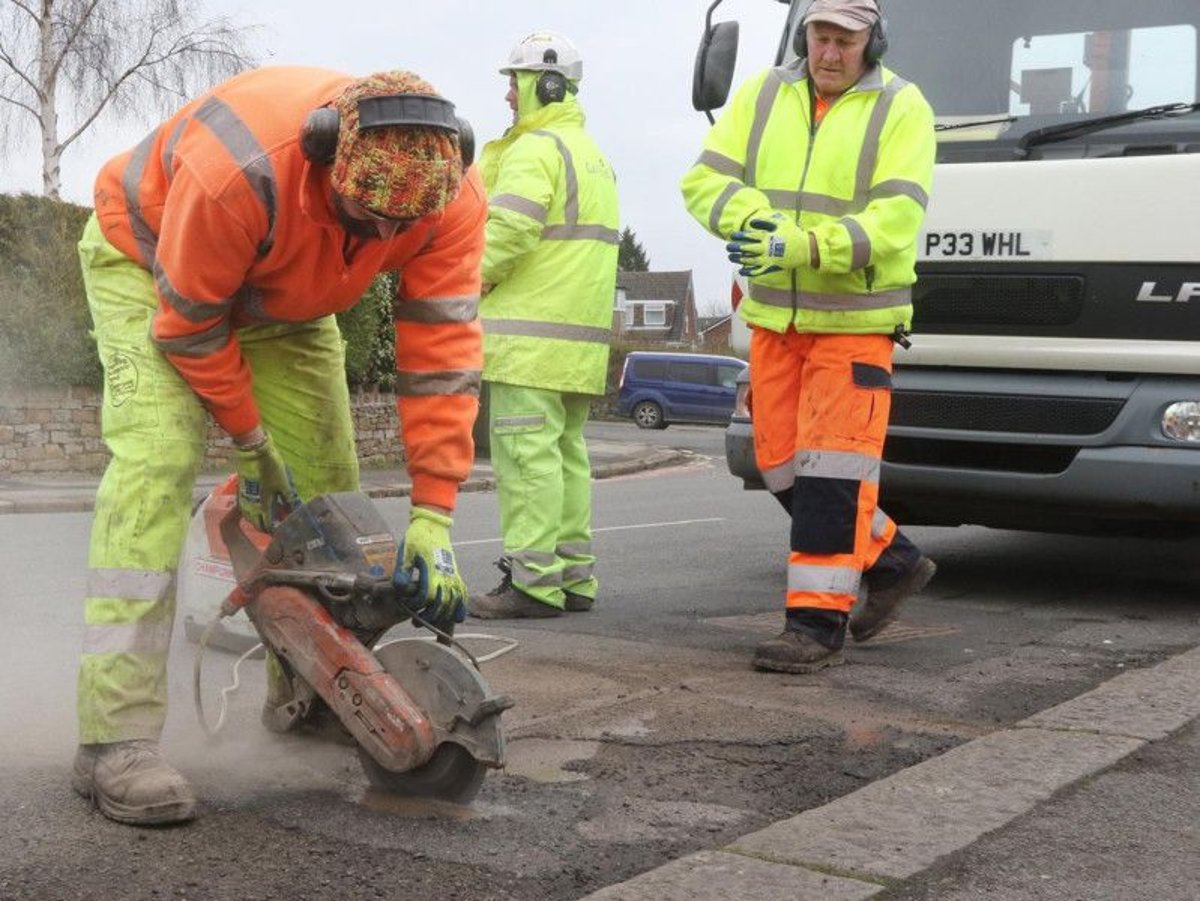
For many property owners and road contractors, pavement damage often begins subtly—a fine crack, a loose edge, or slight surface fading. Yet once moisture penetrates the asphalt structure, deterioration accelerates dramatically. A problem that initially required only simple crack repair may ultimately escalate into a full-depth reconstruction project.
According to PAVEMENTER’s recommendations, preventive pavement maintenance is one of the most cost-effective ways to extend road service life and reduce long-term expenditures.
Small Cracks Lead to Big Problems
Asphalt naturally expands and contracts with temperature changes. Over time, traffic loads, ultraviolet radiation, rainwater erosion, and freeze-thaw cycles cause cracks to form in the pavement.
Once moisture enters the crack, it triggers a series of problems:
- Subgrade strength reduction
- Asphalt edges begin to crumble
- Potholes gradually form
- Road surface deformation intensifies
- Maintenance costs have surged significantly
Industry maintenance guidelines indicate that untreated cracks may rapidly evolve into structural pavement damage.
This is precisely why professional road maintenance teams prioritize crack sealing over waiting for potholes to form.
Advantages of Modern Cold Patch Asphalt
Traditional asphalt repair typically requires heating equipment, heavy machinery, and road closure for construction. Modern cold-mix asphalt has completely transformed this process.
Cold-mix asphalt offers the following key advantages:
- Ready to use straight from the bag—no pretreatment required
- No heating equipment required
- Suitable for most weather conditions
- Rapid resumption of traffic
- Suitable for emergency pothole repair
PAVEMENTER Cold Patch Solution focuses on fast and practical maintenance methods, suitable for municipal roads, parking lots, industrial parks, and residential streets.
For contractors, this means lower labor costs and faster project completion; for owners, it means less construction disruption and a lower maintenance budget.