
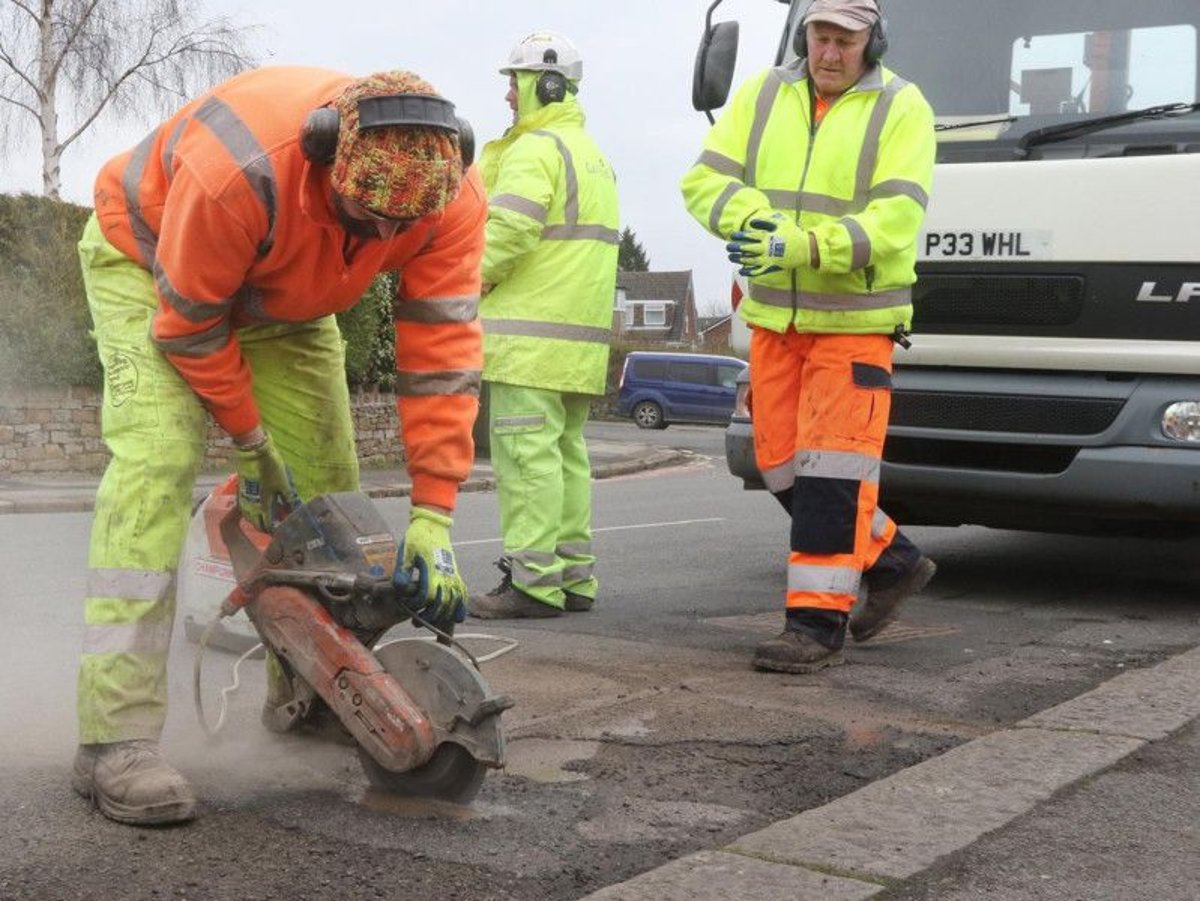
Per molti proprietari e appaltatori stradali, i danni alla pavimentazione spesso iniziano da dettagli impercettibili: una sottile fessura, un bordo allentato o un leggero scolorimento della superficie. Tuttavia, non appena l’acqua penetra nella struttura dell’asfalto, il processo di degrado si accelera drasticamente. Un problema inizialmente risolvibile con un semplice intervento di sigillatura delle fessure può infine trasformarsi in un intervento di ricostruzione a tutta profondità.
Secondo i consigli di PAVEMENTER, la manutenzione preventiva della pavimentazione stradale è uno dei modi più convenienti per prolungare la vita utile delle strade e ridurre le spese a lungo termine.
Piccole crepe causano grandi problemi
L’asfalto si espande e si contrae naturalmente con le variazioni di temperatura. Nel tempo, i carichi del traffico, l’esposizione ai raggi UV, l’erosione causata dalla pioggia e i cicli di gelo-disgelo generano fessure nella superficie stradale.
Una volta che l’umidità penetra nelle fessure, si innescano una serie di problemi:
- Riduzione della resistenza della fondazione
- I bordi dell’asfalto iniziano a sbriciolarsi
- Le buche si formano gradualmente
- Deformazione della superficie stradale accentuata
- Costi di manutenzione in forte aumento
Le linee guida per la manutenzione del settore indicano che le fessure non trattate possono rapidamente evolvere in danni strutturali alla pavimentazione.
Questo è esattamente il motivo per cui i team professionali di manutenzione stradale considerano la sigillatura delle fessure una priorità, anziché attendere la formazione di buche prima di intervenire.
I vantaggi dell’asfalto per riparazioni a freddo moderno
Le riparazioni tradizionali dell’asfalto richiedono generalmente attrezzature per il riscaldamento, macchinari pesanti e la chiusura della strada al traffico. L’asfalto a freddo moderno ha completamente rivoluzionato questo processo.
Il bitume per riparazioni a freddo presenta i seguenti principali vantaggi:
- Pronto all’uso, senza pretrattamento
- Nessuna attrezzatura per il riscaldamento necessaria
- Adatto alla maggior parte delle condizioni meteorologiche
- Ripristino rapido della circolazione stradale
- Adatto per la riparazione d’emergenza di buche
PAVEMENTER Soluzione di riparazione a freddo focalizzata su metodi di manutenzione rapidi e pratici, adatta a strade urbane, parcheggi, parchi industriali e vie residenziali.
Per gli appaltatori, ciò significa costi di manodopera inferiori e una conclusione più rapida dei progetti; per i proprietari, invece, significa minori disturbi durante i lavori e un budget per la manutenzione ridotto.